
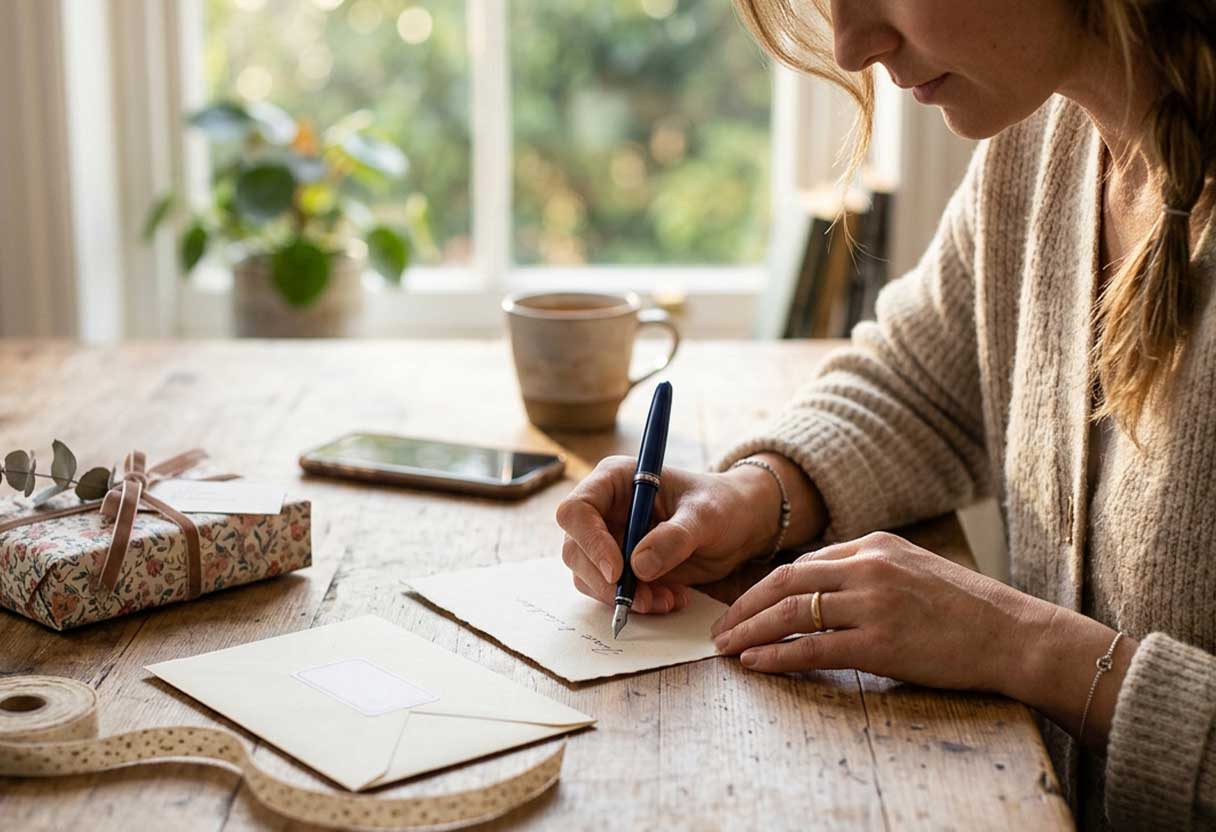
A birthday text takes only seconds to send. A handwritten card asks you to pause, consider your words, and create something the recipient can physically hold onto. That small difference may explain why handwritten birthday cards feel more meaningful than ever.
As communication becomes faster and increasingly digital, physical cards offer something rare: time, attention, and a genuine personal touch. Your handwriting does not need to be perfect, and your message does not have to sound poetic. What matters is that you took the time to write something intended for one person.
A thoughtful birthday card can transform a simple greeting into a lasting keepsake. Years later, the recipient may forget the gift or details of the celebration, but they can still unfold your card and remember how your words made them feel.
Why Are People Writing Birthday Cards Again?
Handwritten birthday cards are making a quiet return. In a world filled with texts, alerts, and social media messages, receiving a physical card feels noticeably more personal. Even a few honest lines can stand out because someone made the effort to write them.
The card itself is getting more particular too. Lookalikey, a UK personalized-card company, looked at more than 25,000 birthday purchases in 2026 and found a quarter of buyers now choose a design built around a specific film or TV personality instead of a generic template — proof people care more than ever about picking exactly the right card. But that same data shows aspirational designs only narrowly beat funny ones, 33.7% to 31.5%. Whichever design wins, the blank space inside is still where the actual sentiment lives.
Digital Fatigue Is Changing How People Communicate
People spend much of their day looking at screens, and birthday wishes can easily disappear among group chats, emails, and notifications.
A handwritten card offers a welcome pause from that digital noise. The recipient can read it without distraction, keep it nearby, and return to it whenever they choose.
Handwriting Makes a Message Feel More Personal
Handwriting carries details that typed words cannot reproduce. Your letter shapes, signature, spacing, and even small mistakes make the message feel unmistakably human.
The writing does not have to look polished. Those natural imperfections often add warmth and make the card feel more genuine.
A Handwritten Card Shows Intention and Effort
Writing a card requires more thought than sending a quick birthday text. You choose the card, consider what you want to say, and put the message into your own handwriting.
That added effort tells the recipient that their birthday matters to you. In a fast-moving world, taking time to write can feel like a meaningful gift in itself.
Birthday Text vs. Handwritten Card: Why Do They Feel So Different?
A birthday text and a handwritten card may communicate a similar message, but they create very different experiences. A text appears alongside countless other notifications, while a card feels deliberately chosen for one person. That distinction can make the message far more memorable.
A Text Is Immediate, but a Card Creates an Experience
A text arrives instantly and works well for a quick birthday greeting. A card creates a slower, more personal moment as the recipient opens the envelope, notices the handwriting, and reads each carefully chosen word.
Digital Messages Are Temporary, While Cards Are Tangible
Digital messages can quickly become buried in old conversations. A physical card can remain on a desk, tucked inside a drawer, or stored in a memory box for years.
Its handwriting, paper, and date can bring back memories in a way that a message viewed on a screen often cannot.
Convenience Creates Contact, but Effort Creates Meaning
Sending a text shows that you remembered. Writing a card shows that you were willing to give the moment extra time and thought.
That effort can make even a short message feel sincere. People may forget many of the birthday texts they receive, but they often remember the card that made them smile, laugh, or feel deeply appreciated.
The Birthday Cards People Keep Forever
The cards people save usually carry a strong connection to a person, memory, or important stage of life. They may appear simple at first, but their emotional value often grows with time. Years later, familiar handwriting or a few personal words can bring back vivid memories.
Cards From Parents, Grandparents, and Loved Ones
Cards from close family members and friends often become more meaningful as the years pass. A note from a parent, grandparent, partner, or lifelong friend can preserve their handwriting, familiar expressions, and distinctive way of signing off.
Cards That Mark Important Life Stages
Milestone birthdays often include messages that reflect an important turning point. Cards from an 18th, 30th, 50th, or retirement birthday can capture the hopes, achievements, and changes associated with that stage of life.
Cards That Capture a Specific Memory
Including a shared memory makes a birthday message feel deeply personal. Mentioning a trip, family tradition, funny mistake, or meaningful conversation shows that the words could only have been written for that person.
Why Physical Keepsakes Hold Emotional Value
A physical card can be held, displayed, stored, and reread for years. Its meaning does not depend on an elaborate design or high price. It comes from the real handwriting, personal thought, and emotion carried within it.
What Makes a Birthday Message Worth Framing?
A birthday message becomes memorable when it feels sincere and personal. It does not require perfect grammar or poetic wording. The most meaningful messages reflect the relationship, the recipient’s character, and what they are experiencing at that point in their life.
Write Something Only You Could Say
Avoid relying entirely on general birthday phrases. Include an inside joke, shared memory, or small habit you genuinely appreciate. A specific detail makes the message feel personal rather than interchangeable.
Tell the Person What They Mean to You
Use the card to express something you may not say often. Explain how their kindness, humor, support, or presence has influenced your life. Even one honest sentence can carry lasting emotional weight.
Capture Who They Are at This Moment
Acknowledge the person they are becoming. You might mention a challenge they have overcome, a brave decision they made, or the growth you have witnessed. This can be especially meaningful in a milestone birthday card.
Include a Thoughtful Hope for the Year Ahead
Make your birthday wish relevant to the recipient’s life. You might wish them confidence, peace, good health, new opportunities, or more time for the people and activities they love. A personal hope feels warmer than a standard “best wishes.”
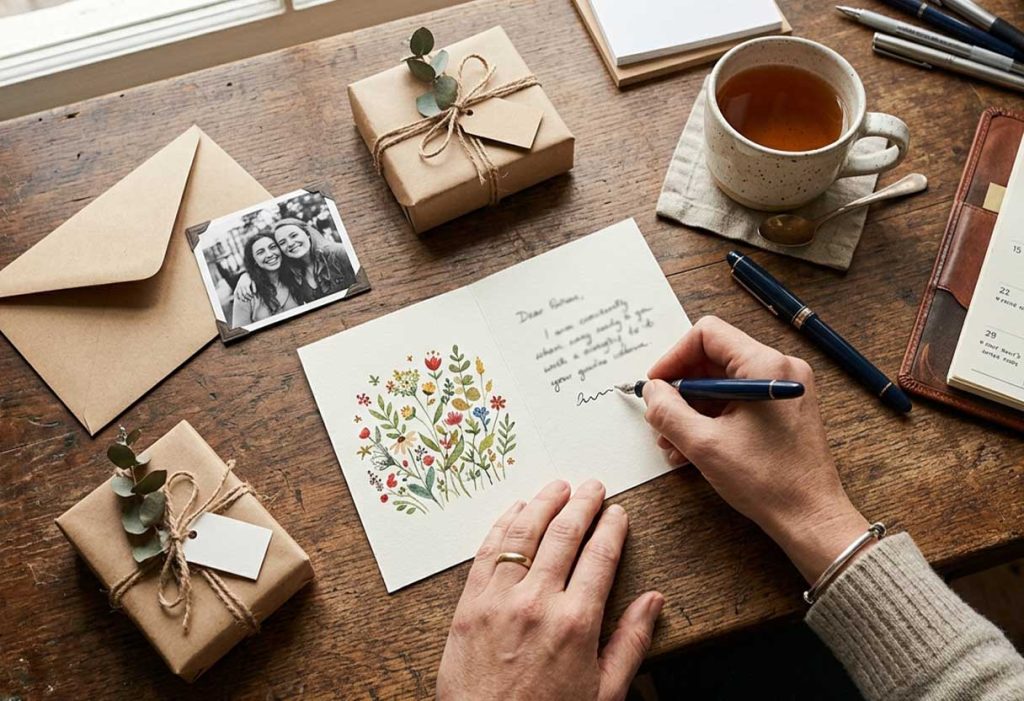
How to Write a Birthday Card Someone Will Want to Keep
A meaningful birthday card does not need to be long or perfectly written. It simply needs to sound like you and reflect your genuine relationship with the recipient. A few thoughtful details can turn an ordinary greeting into a keepsake.
Start With a Personal Greeting
Use the name or nickname you normally call the person. A warm opening such as “To my wonderful sister” or “Happy birthday to my favorite troublemaker” immediately gives the message a more personal tone.
Recall One Meaningful Memory
Mention a moment you both remember, such as a trip, celebration, difficult period, or funny mistake. One well-chosen memory usually carries more meaning than several general compliments.
Express Genuine Appreciation
Tell the recipient what you value about them. You might appreciate their patience, loyalty, humor, encouragement, or the way they consistently make time for others.
Say Why the Relationship Matters
Explain how their presence has shaped your life. A simple line such as “I am grateful that I can always count on you” can feel both honest and powerful.
Add a Personal Wish for the Coming Year
Think about what the recipient genuinely wants or needs. Wish them confidence in a new job, time for a favorite hobby, more peaceful days, good health, or progress toward a meaningful personal goal.
Add the Date and a Natural Sign-Off
Including the date helps the card preserve a particular moment in time. Finish with a sign-off that suits your relationship, such as “With love,” “Always here for you,” or the nickname you normally use.
Keep the Message Authentic
Do not force jokes, dramatic emotion, or formal language that you would never use in conversation. Write as though you are speaking directly to the person. Honest words, even simple ones, are often the words people remember most.
Frequently Asked Questions
They show that you took time to choose a card, think about the recipient, write a personal message, and send or deliver it. That added care makes the greeting feel more intentional than a quick digital message.
Include a warm greeting, one specific memory or compliment, and a personal wish for the year ahead. Keep the message natural and write in the way you would normally speak to the person.
A few sincere sentences are often enough. The thought and specificity behind the message matter more than its length, so there is no need to add extra words simply to fill the card.
Both can be thoughtful, but they serve different purposes. A text is quick and convenient, while a handwritten card creates a more personal experience and a physical keepsake the recipient can revisit.
Yes. Perfect penmanship is not what makes a card meaningful. Your natural handwriting, including its small imperfections, can make the message feel more personal, recognizable, and genuine.

I’m Halima! I’m a content writer specializing in birthday articles and celebration guides. From heartfelt wishes to creative party ideas, I craft engaging content that helps people celebrate their special days in unforgettable ways.
Related Posts

Quiet Hearts: Birthday Messages for an Introverted Partner
Birthday Wishes for Boyfriend: Making Every Moment Special
Coworkers and Colleagues, Happy Birthday Wishes. Powered by AI